

Lord’s Library compares the Gospel of Jesus Christ vs. the prosperity gospel to showcase Christ’s Finished Work of salvation.
The message often called the “prosperity gospel” has become familiar in modern Christianity, presenting the idea that faith and positive confession can lead to monetary blessings and even physical health. It speaks to our natural longing for security, comfort, and success—and at times even draws on Biblical language about God’s desire to bless His people. Yet questions arise when we look closer: What kind of prosperity does Scripture truly promise?
How does the Bible define blessing, and where does it say our treasure lies? A careful look at God’s Word helps us understand how true faith relates to both abundance and suffering in the Christian life. This contrasts the true Gospel of grace with an imitation, revealing how only the Finished Work of Christ saves—and how every other message, no matter how appealing, ultimately leads away from the Cross.

The Gospel of Jesus Christ vs. the Prosperity Gospel
The Gospel of Jesus Christ
The Gospel of Jesus Christ is the good news of salvation through faith in Jesus as the Messiah, Savior, and Son of God. It encompasses His life, teachings, crucifixion, death, and resurrection, offering the promise of forgiveness of sins, eternal life, and reconciliation with God to all who believe. See the following key Bible verses, which paint a vivid picture of the Gospel of Jesus Christ:
- John 3:16: “For God so loved the world, that he gave his only begotten Son, that whosoever believeth in him should not perish, but have everlasting life.”
This verse is perhaps the most well-known passage in the Bible, succinctly summarizing the essence of the Gospel. It showcases God’s love, the sacrifice of Jesus, and the condition of faith leading to eternal life.
- Mark 1:14-15: “Now after that John was put in prison, Jesus came into Galilee, preaching the gospel of the kingdom of God, And saying, The time is fulfilled, and the kingdom of God is at hand: repent ye, and believe the gospel.”
Christ begins His ministry by announcing the arrival of the Kingdom of God and calling for repentance and faith in the Gospel.
- 1 Corinthians 15:1-4: “Moreover, brethren, I declare unto you the gospel which I preached unto you, which also ye have received, and wherein ye stand; By which also ye are saved, if ye keep in memory what I preached unto you, unless ye have believed in vain. For I delivered unto you first of all that which I also received, how that Christ died for our sins according to the scriptures; And that he was buried, and that he rose again the third day according to the scriptures:”
Paul’s letter to the Corinthians emphasizes the core elements of the Gospel: Christ’s death for our sins, His burial, and His resurrection, all in accordance with the Scriptures.
- Romans 1:16: “For I am not ashamed of the gospel of Christ: for it is the power of God unto salvation to every one that believeth; to the Jew first, and also to the Greek.”
Here, Paul underscores the transformative power of the Gospel and its universal applicability, offering salvation to all who believe.
- Acts 4:12: “Neither is there salvation in any other: for there is none other name under heaven given among men, whereby we must be saved.”
This verse emphasizes the exclusivity of salvation through Jesus Christ, emphasizing the necessity of faith in His name for eternal life.


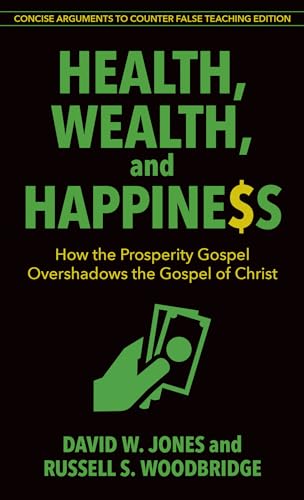
The Prosperity Gospel
The prosperity gospel is a false theological teaching that claims wealth, health, and success are guaranteed outcomes for believers who have “sufficient faith” and who donate money to certain causes. This doctrine often cites passages like Malachi 3:10, interpreting them to mean that financial blessings are a direct result of tithing: “Bring ye all the tithes into the storehouse, that there may be meat in mine house, and prove me now herewith, saith the LORD of hosts, if I will not open you the windows of heaven, and pour you out a blessing, that there shall not be room enough to receive it.”
However, this interpretation starkly contrasts with the core Biblical doctrine of salvation, which is described in the Scriptures as a free gift from God, obtainable only through faith in Jesus Christ’s sacrificial death and resurrection, not through material transactions or works righteousness.
The New Testament continually points to the sacrifice of Jesus on the cross as the central element of the faith, telling that redemption is offered freely to all who believe, without any other prerequisites. Romans 5:8 proclaims it: “But God commendeth his love toward us, in that, while we were yet sinners, Christ died for us.”

The notion is that God’s intervention through Christ is motivated by love, not by any offerings we can make.
The Bible teaches that Christian giving should stem from gratitude and worship, which reflects Christ’s own selflessness, rather than from a desire to gain material rewards. Acts 20:35 reminds: “I have shewed you all things, how that so labouring ye ought to support the weak, and to remember the words of the Lord Jesus, how he said, It is more blessed to give than to receive.”
This stands in contrast to the prosperity gospel’s transactional view of faith and giving.
Lord's Library is a Christian resource hub. Our editors use a variety of internet research methods like search engines, audio and video, AI, consultations with ministry leaders in the field, and more. Lord's Library should never be a substitute for reading your Bible daily as the Scriptures are to be our final authority on all matters.

Lord's Library participates in affiliate programs. We may make a small commission from products purchased through this resource.


